
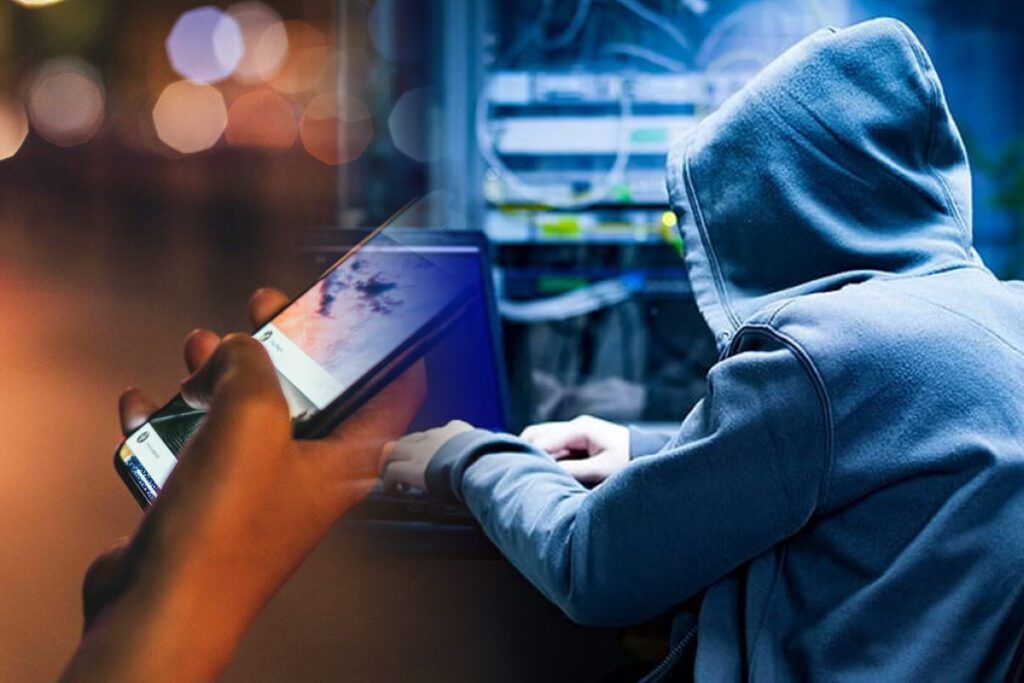
Online transactions are an essential part of daily life, whether it's for shopping, paying for services, or even financial transfers. Despite the obvious advantages, however, there are also risks associated with these activities, the biggest of which is fraud in online transactions.
Whether you are a regular consumer or a small business owner, it's essential to understand how to protect yourself from online fraud and keep your financial information safe. This guide will teach you how to recognize the signs of online fraud and what protective measures you can take to secure your online transactions.
What is fraud in online transactions?
Fraud in online transactions refers to any type of illegal activity that takes place within an electronic transaction. This can include theft of financial information, purchasing goods or services using stolen credit cards or bank information, or scams involving fake e-commerce websites.
Fraud can occur in various forms, such as phishing, card-not-present fraud, or online payment scams, and aims to fraudulently obtain funds from victims.
How to Spot the Signs of Fraud in Online Transactions
It's important to be vigilant and recognize the signs of potential online fraud. Here are a few indicators that should make you think twice when making an online transaction:
Unsafe websites
Always check if the website where you are making a transaction is secure. A trustworthy site will have a URL that begins with „https://” (secure) and will display a padlock in the address bar. If this padlock is missing, or the site begins with „http://”, it is a sign that the site is not secure and your transactions could be exposed to risks.
Too good to be true offer
If an offer sounds too good to be true, it probably is a trap. Online scams often rely on extremely low prices for popular products or services, thereby trying to attract victims. If you encounter such an offer, do your homework and check the site's reviews before making any payment.
Requesting personal information via unsolicited email or messages
Fraudsters may try to obtain your financial information by sending emails or messages that claim to be from banks, online stores, or even authorities. These messages may appear legitimate, but they are actually phishing attempts. Never respond to such messages and do not click on the links included in them.
Insecure payments or dubious payment methods
In online transactions, the safest payment methods are credit cards or online payment platforms like PayPal or TransferWise. If a website or seller requests unusual payment methods, such as cryptocurrency payments or direct bank transfers to individuals, this should raise a red flag.
How to protect yourself from online transaction fraud
Although online fraud is a major problem, there are numerous measures you can take to protect yourself. Here are some essential tips for protecting your information and conducting transactions online safely:
Use strong passwords and two-factor authentication
Ensure all your online accounts are protected by complex passwords. A strong password should contain a combination of uppercase and lowercase letters, numbers, and special characters. Additionally, enable two-factor authentication (2FA) wherever possible. This system adds an extra layer of security by requiring an additional code that is sent to your phone or generated by a special app.
Check online seller reviews and reputation
Before making an online transaction with an unknown seller, research their reviews and reputation. Check if others have had positive or negative experiences with that seller and look for additional information about the website. Review sites or online forums can be helpful for this.
Monitor your financial accounts
Check your bank accounts and card statements regularly. If you notice any suspicious or unauthorized transactions, report them immediately to your bank or financial institution. Additionally, many banks offer instant notifications for transactions made, which allows you to quickly detect any fraudulent activity.
Pay attention to the payment requirements
Avoid making online payments for products or services that seem too good to be true. Also, do not send money directly to people or entities you do not know. Try to use secure payment methods and ensure the website is legitimized by financial authorities.
Using an online security solution
Install a trustworthy antivirus program and ensure it is updated regularly. These programs can detect and block dangerous websites and protect your devices from malware or viruses that could be used to steal your financial information.
Only buy from trusted websites
Using trusted websites that are certified and secure is an important step in protecting your online transactions. Many large online stores have advanced security measures, and purchases from these platforms are less likely to be affected by fraud. Make sure the website has a clear return policy and offers customer support.
Protect Your Finances: Essential Measures for Online Transaction Security
In a digital age, fraud in online transactions represents a constant threat to the security of your financial data. However, through education and appropriate security measures, you can significantly reduce the risks of fraud and protect your personal information.
Make sure to follow the steps outlined above and always stay vigilant when making online transactions. This way, you’ll stay safe and enjoy a worry-free online shopping experience.